



Location and Geographical Details
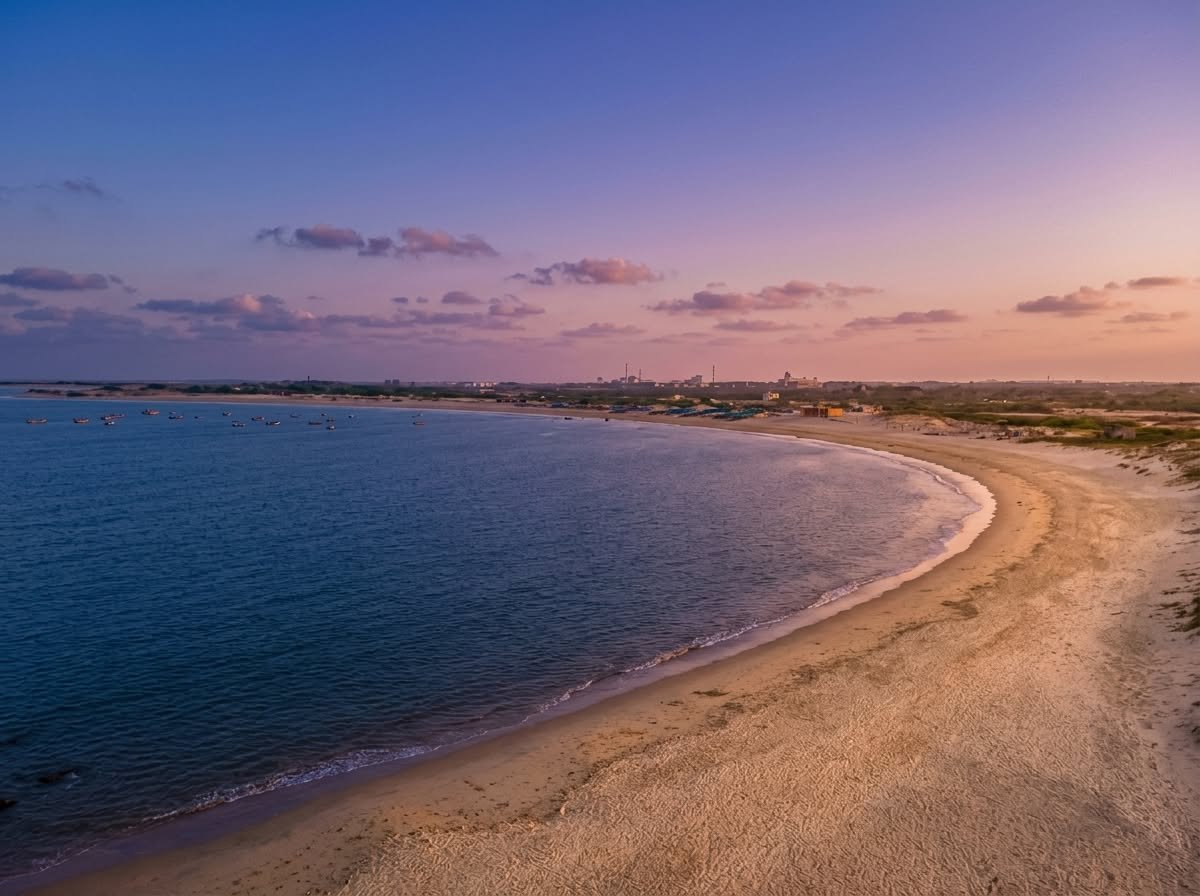
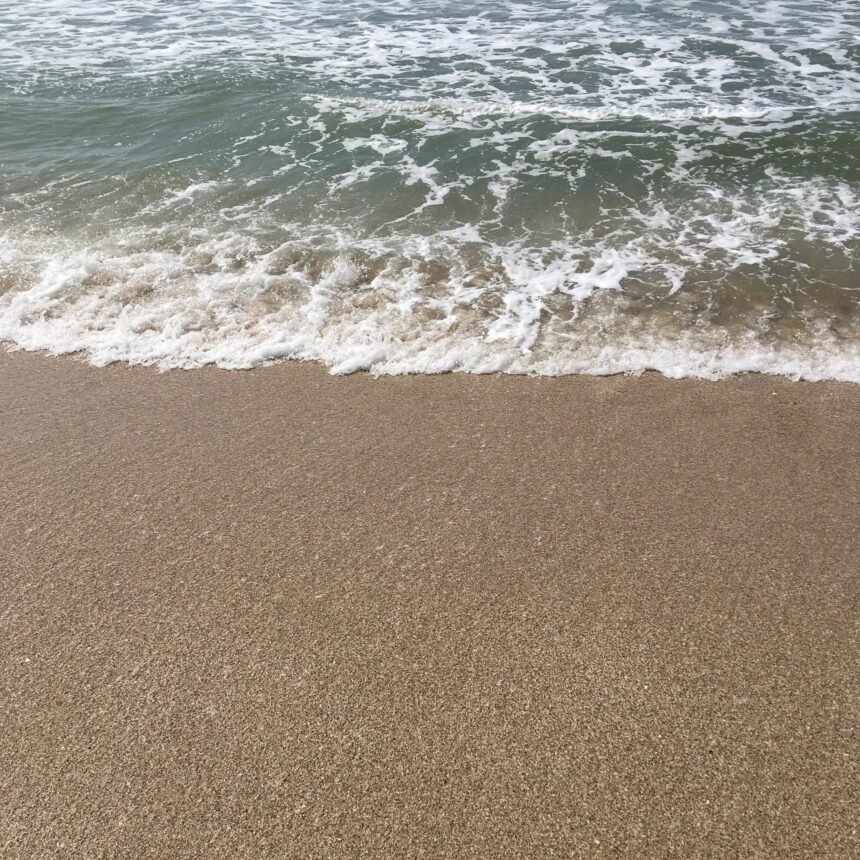
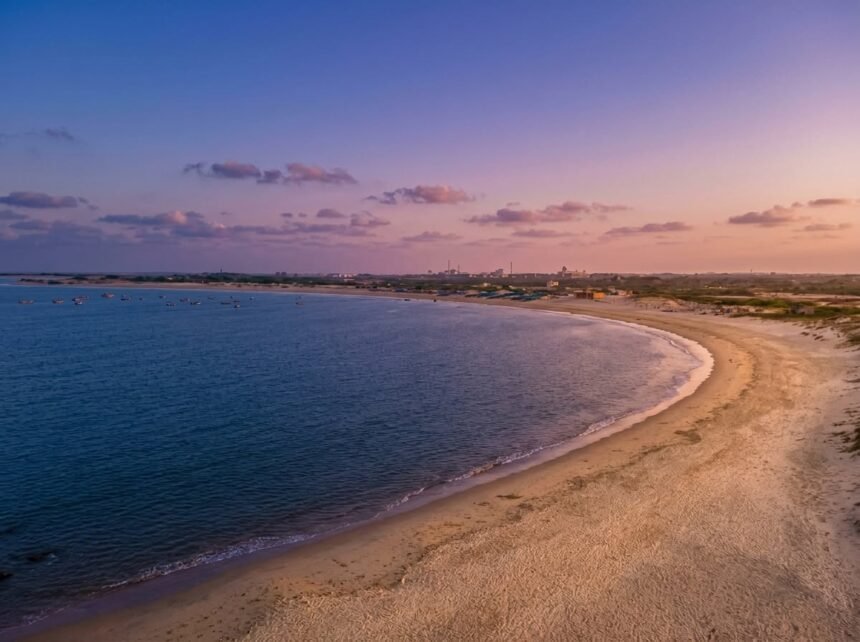
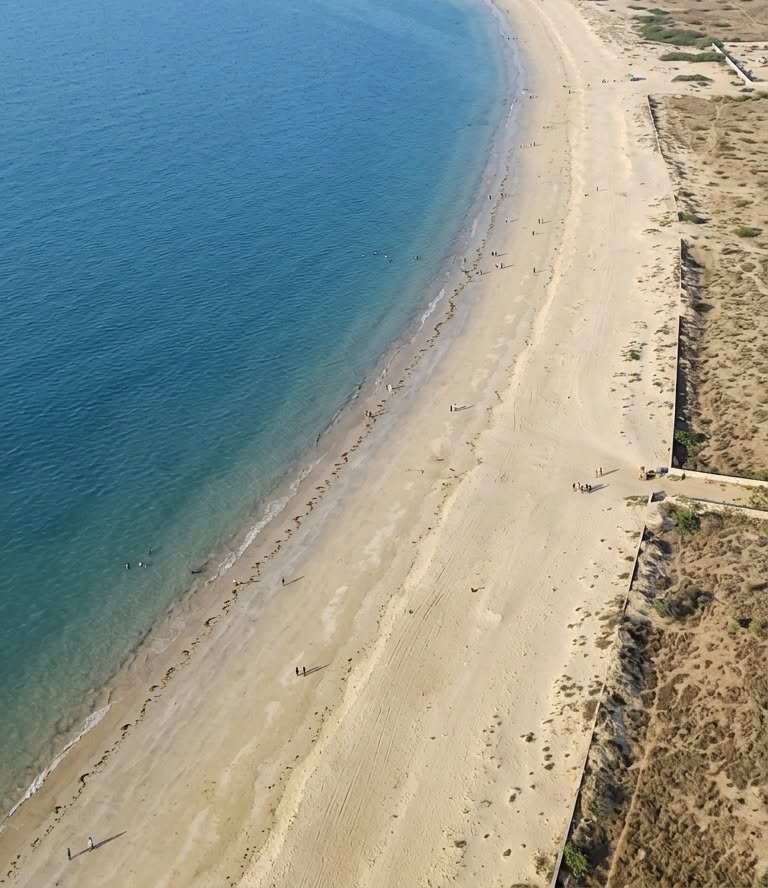
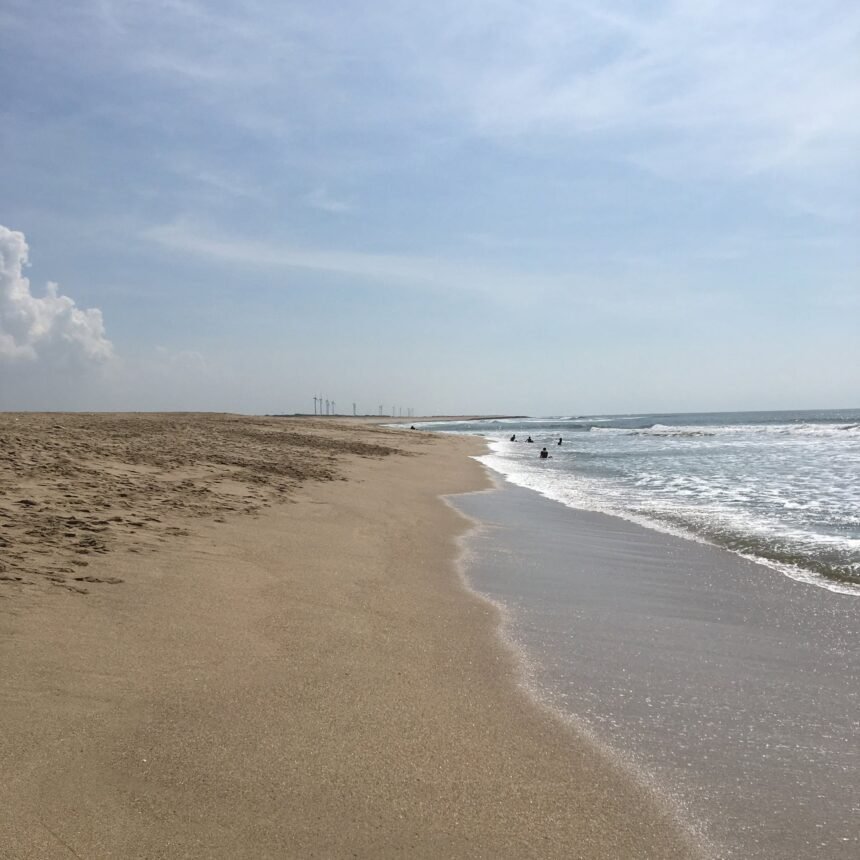
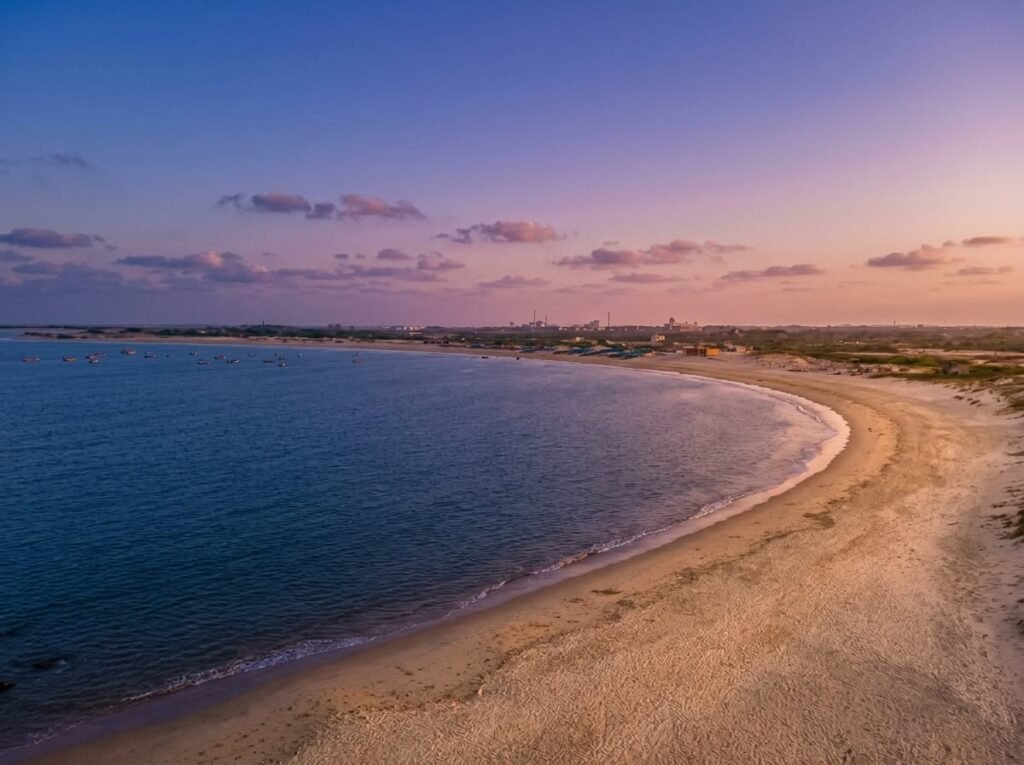
Shivrajpur Beach is a scenic coastal destination in the Devbhumi Dwarka district of Gujarat, India. It lies near the small village of Shivrajpur, about 12 km north of the city of Dwarka, along the Dwarka-Okha coastal highway. The beach stretches along the Arabian Sea, boasting soft white sands and clear blue waters that meet gentle waves. It was recently awarded the prestigious Blue Flag certification, making it the first beach in Gujarat to earn this international eco-label. Shivrajpur’s natural beauty from its pristine shoreline to stunning sunsets painting the sky orange and pink offers an idyllic setting for relaxation and family outings. Visitors often spot dolphins offshore and a variety of coastal birds in the area, adding to the beach’s appeal as a nature-friendly getaway.
How to Reach the Beach
Shivrajpur Beach is well connected and can be reached via multiple modes of transportation:
- By Road: The beach is accessible by road and lies on the Dwarka-Okha Highway. It is about 142 km from Jamnagar, 236 km from Rajkot, and ~460 km from Ahmedabad, with good highway connectivity in each direction. Dwarka city (12 km away) serves as the usual base; from Dwarka, one can hire taxis or auto-rickshaws for the ~20 minute drive to the beach. Ample parking is available near the beach for private vehicles.
- By Train: The nearest railway hub is Dwarka Railway Station (DWK), roughly 14 km from Shivrajpur Beach, which is about a 25-minute drive. Dwarka station is on the broad-gauge network and is served by trains from major cities like Ahmedabad, Vadodara, Mumbai, and Delhi. From the station, local transport (taxis, buses or autos) can take you to the beach.
- By Air: The closest airport is Jamnagar Airport (JGA), approximately 130-140 km away (about a 2.5-3 hour drive to the beach). Jamnagar has daily flights connecting to cities such as Mumbai, Bangalore and Hyderabad. Another option is Porbandar Airport (PBD), about 105-110 km from Shivrajpur (around 1.5-2 hours by road). From either airport, one can hire a cab or take a train/bus to Dwarka and then proceed to Shivrajpur. Major cities in Gujarat (Ahmedabad, Rajkot, Vadodara) also have bus and taxi services that can be hired for a road trip to Dwarka/Shivrajpur.
Best Time to Visit
The best time to visit Shivrajpur Beach is during the winter and spring months, from October to early April, when the weather is pleasant and dry. During this period, daytime temperatures are comfortable (generally ranging from 15°C to 30°C) and the sea is relatively calm ideal for swimming and water sports. The shoulder season in September can also be enjoyable as the monsoon recedes, though humidity might be higher. Summers (April-June) are very hot in this region, with temperatures often surpassing 35°C, which can make midday beach activities uncomfortable. Monsoon season (late June through August) brings occasional heavy rains and rough sea conditions, so it is generally less ideal for beach visits. Visitors planning water activities should avoid the peak monsoon when high tides or temporary closures might occur for safety. Overall, October to March is recommended for the best beach experience, with pleasant weather and clear sunsets.
Activities Available
Shivrajpur Beach offers a wide array of activities for all ages, from adventurous water sports to leisurely nature walks:
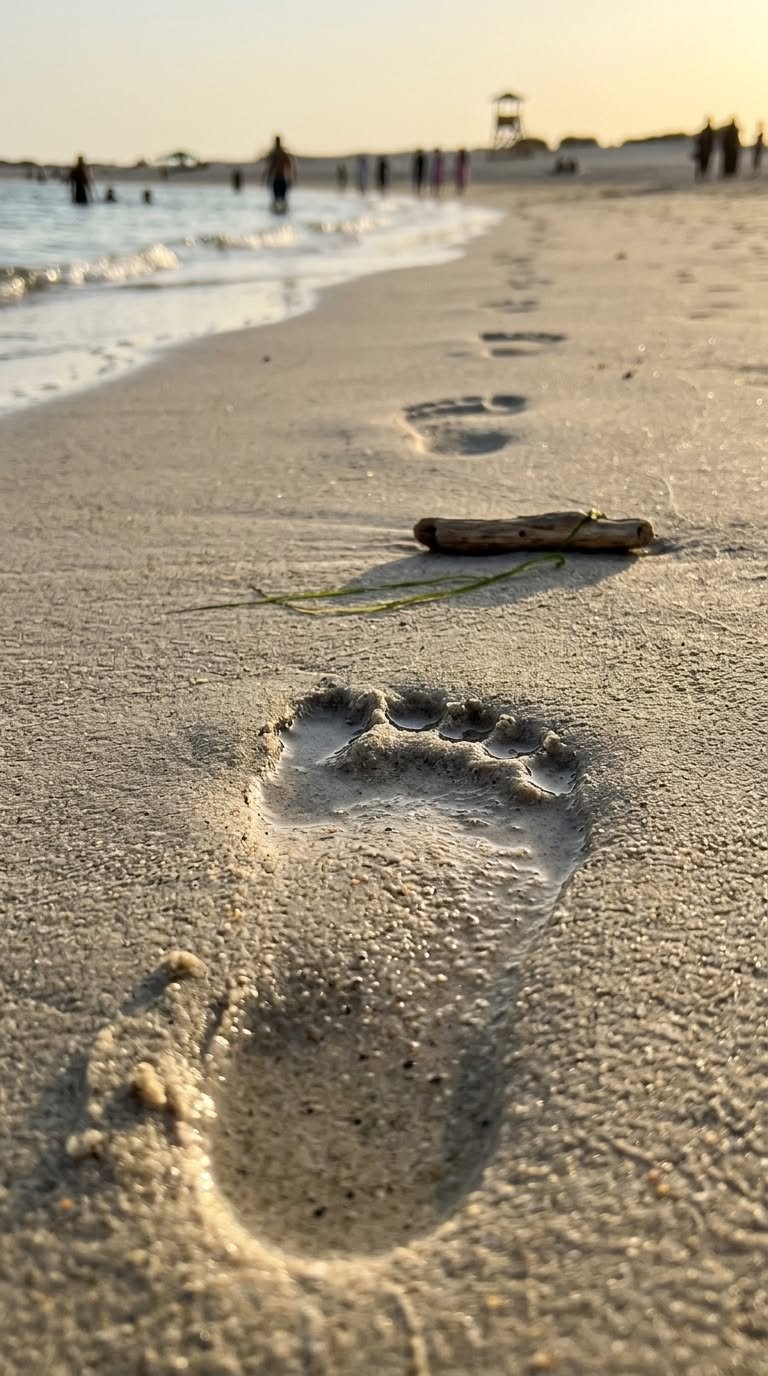
- Swimming and Bathing: The beach is great for swimming, especially in the designated safe zones roped off for visitors. The water is crystal-clear and shallow near the shore, with a sandy seabed free of rocks or corals, making it safe even for novice swimmers. Lifeguard watchtowers are stationed along the beach, and lifeguards constantly monitor swimmers to ensure safety within the marked areas. Water quality is tested daily as part of the Blue Flag standards, so beachgoers can enjoy clean and safe bathing conditions.
- Snorkeling and Scuba Diving: The clear waters of Shivrajpur are ideal for exploring underwater life. Several certified operators and PADI dive shops offer scuba diving excursions and snorkeling gear/trips for visitors. The marine life here includes colorful fish and corals, providing an exciting experience for beginners and seasoned divers alike. Tip: Morning dives typically have the best visibility. For experienced divers, trips to nearby sites (such as Bet Dwarka island) can be arranged to explore deeper reefs or even remnants of Dwarka’s legendary underwater city. Basic training and equipment are provided on-site, and one should allot ~4-6 hours if trying scuba diving (including training and the dive).
- Thrilling Water Sports: A variety of adventure water sports are available, adding a dose of adrenaline to your beach day. Visitors can ride jet-skis, hop on banana boats or bumper boats (disco rides) to glide and bounce over the waves. Parasailing is a popular attraction you can either parasail behind a boat over the sea or even do a unique beach parasailing where a jeep pulls the parachute along the sand, giving a bird’s-eye view of the entire shoreline. These activities offer stunning views of the Arabian Sea and the coastline. Trained instructors and safety gear are provided for all rides, ensuring a fun but safe experience.
- Beach Activities and Relaxation: The expansive, flat sand at Shivrajpur is perfect for classic beach fun and relaxation. There is a designated play area for children set back from the water, where kids can enjoy swings or play games in the sand. Beach volleyball or frisbee can be enjoyed on the wide open sands. Adventure enthusiasts can even rent ATV (quad bikes) to race along a marked stretch of the shore. For a unique coastal experience, camel rides along the beach are offered you can amble on camelback across the sands, especially popular during sunset. Meanwhile, parents and those looking to unwind will find sun loungers and rustic thatched umbrellas available to relax under, enjoying sea breezes and the view. Of course, simply walking the length of the beach is a treat in itself a leisurely stroll from one end (near the lighthouse) to the other lets you soak in the tranquil scenery.
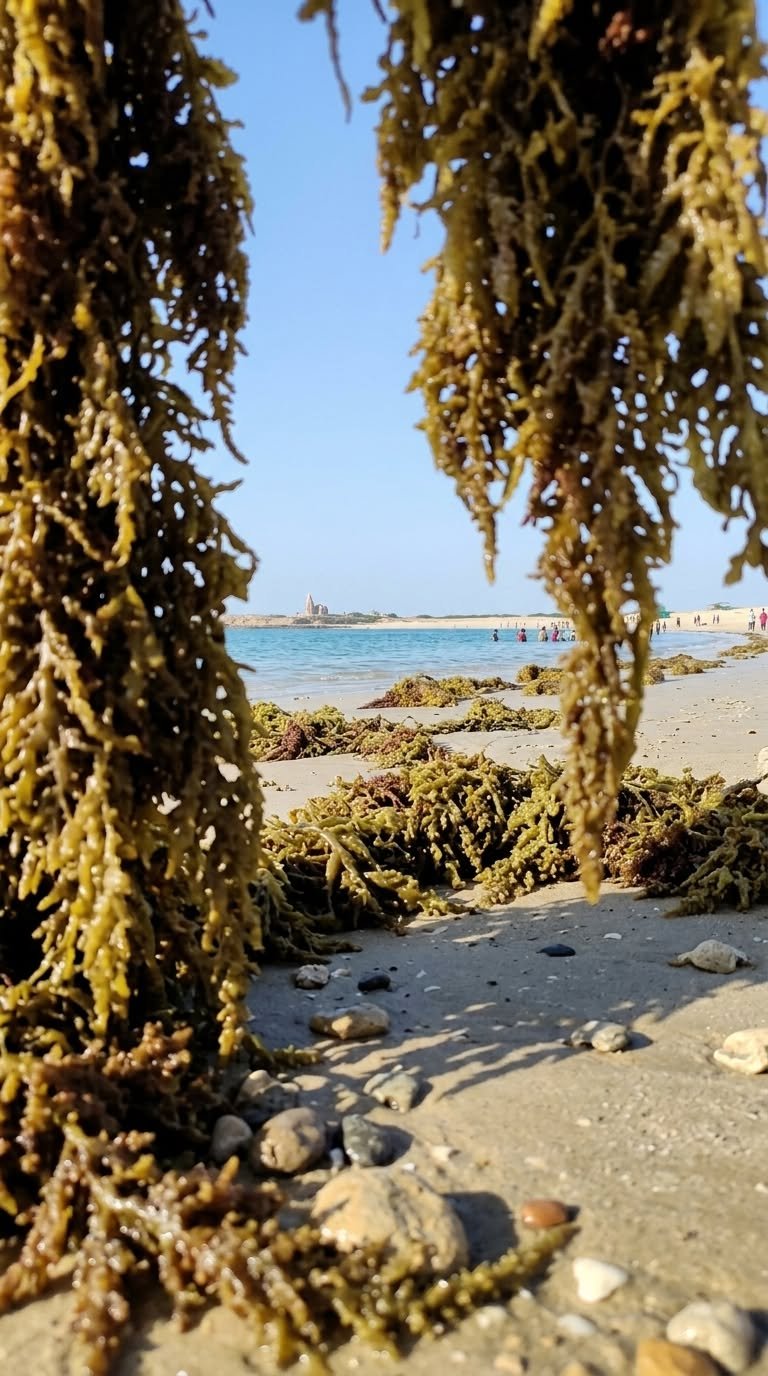
- Nature & Sightseeing: Dolphin spotting is a delightful possibility at Shivrajpur keep an eye on the horizon, as tourists occasionally glimpse dolphins frolicking in the distance. The beach’s clean ecosystem also attracts shorebirds, and bird-watchers might see species of gulls, terns, or sandpipers around. The sands are strewn with seashells, including pretty cowries and conch shells; beachcombers will enjoy searching for these treasures along the tide line. At the northern end of the beach stands the historic Kacchighadh Lighthouse (also spelled Kachchigarh) which has become a local landmark. This lighthouse, originally a small 11m tower built in the 19th century and later raised to 30m, offers panoramic views of the coast. If open and permitted, climbing the lighthouse (via its staircase) is a fantastic experience to get a bird’s-eye view of the beach and the Arabian Sea. Even from the ground, the lighthouse area is a nice spot for photography and marks a rocky end of the beach that’s ideal for quiet walks. And no visit is complete without watching the sunset as dusk approaches, people gather to witness the sky and sea glowing in golden-orange hues, a spectacle that lasts mere minutes but is unforgettable.
Amenities and Facilities
As a Blue Flag certified beach, Shivrajpur is equipped with modern amenities and facilities to ensure visitor comfort, safety, and cleanliness. Key facilities include:
- Parking & Access: A well-maintained parking lot is available near the beach entrance, making it convenient for those arriving by car. Paved walkways and ramps lead from the parking area towards the shore, providing easy access for strollers and wheelchairs. Signage and a beach layout map at the entrance guide visitors to various facilities.
- Restrooms & Showers: The beach offers clean toilet facilities (separate for men and women) and outdoor showers/changing rooms for visitors to rinse off salt water. The restrooms are well-maintained (spotless, with running water) as per Blue Flag standards. Changing rooms are “well-appointed” some even rent out swimsuits or float gear if you didn’t bring your own.
- Lifeguards & First Aid: Safety is a priority here. Lifeguard towers are stationed along the beach’s length, overseeing the designated swimming zones. Trained lifeguards are on duty during opening hours (8 AM – 7 PM) and basic first aid stations are available for any minor injuries or emergencies. Emergency contact information and beach safety rules are displayed on information boards (part of the Blue Flag information criteria).
- Drinking Water & Lighting: Visitors will find drinking water kiosks/water stations near the main entrance and picnic areas, so you can refill bottles with safe potable water. The beach pathways and certain areas are equipped with solar-powered lighting for energy-efficient illumination after dark (though the beach is officially closed by 7 PM). This lighting enhances security and aesthetic appeal during the evenings just around sunset.
- Disabled-Friendly Amenities: Shivrajpur Beach is accessible to differently-abled visitors. Wheelchairs are available on request, and the paved paths/ramp make it possible to move closer to the shore on wheels. There are also wheelchair-friendly restrooms and reserved parking spots, fulfilling the Blue Flag mandate for accessibility.
- Seating & Shade: For those looking to relax out of the sun, the beach provides bench seating and umbrellas. Rustic thatched-roof umbrellas with recliner chairs are dotting the sands, offering shade and a place to lounge and enjoy the view. These are popular during mid-day and also allow parents to comfortably watch over children playing nearby.
- Play & Fitness Areas: Uniquely, Shivrajpur has recreational facilities like a children’s playground and even an outdoor gym/jogging track along the shore. Kids can enjoy swings and play equipment on the sand (located safely away from the water), while fitness enthusiasts can use installed exercise stations or go for a jog with a sea breeze. The flat, long stretch of sand naturally encourages running and walking for exercise as well.
- Food & Beverages: There are a few snack shacks and kiosks near the entrance that sell quick bites and refreshments. A small seaside café offers light meals, and at least one multi-cuisine restaurant has opened up close to the beach, catering to visitors and families (for example, a restaurant by the parking area serves Gujarati and Punjabi dishes, snacks, etc.). However, no major food courts or numerous eateries are on the beach itself the emphasis is on maintaining cleanliness so it’s wise to carry some snacks especially on weekdays when fewer vendors operate. (For a full meal, many visitors head back to Dwarka town after their beach day.)
- General Facilities: The beach is kept very clean, with teams regularly cleaning the sand. Waste bins (for wet and dry waste) are placed at intervals to encourage proper garbage disposal. Shivrajpur is a plastic-free zone single-use plastics are banned, and visitors are expected to use the bins for any trash. There is also a small information center or help desk at the entrance (often run by the tourism department) where you can get info on tide timings, activity bookings, and guidelines. Beach timing and fee: The beach is open to the public from 8:00 AM to 7:00 PM daily, and there is a nominal entrance fee of ₹30 per adult (children often free) used for maintenance of facilities. Overall, the amenities at Shivrajpur Beach are designed to meet international standards, ensuring visitors have a safe, comfortable, and hygienic experience during their visit.
Nearby Accommodations and Food Options
Being a daytime beach destination, Shivrajpur itself has limited accommodation on-site, but nearby towns offer plenty of options. Likewise, dining is mostly available in Dwarka city. Here’s what to expect:

Accommodations: For those who wish to stay right by Shivrajpur Beach, the option is camping. There are organized beach camps/tents that can be booked, allowing you to spend a night under the stars by the sea. These tent accommodations are limited and usually need advance booking (often through tour operators or Gujarat Tourism). Aside from camping, there are no permanent hotels or resorts built on the beach due to environmental regulations. The most popular choice is to stay in Dwarka, which has a wide range of accommodations about 20-25 minutes away. In Dwarka town, you’ll find everything from budget guesthouses and dharamshala (pilgrim lodges) to mid-range hotels and a couple of star-rated resorts. Notable examples include the Toran Tourist Bungalow (a government-run guest house) and Mercure Dwarka, a 4-star hotel by Accor, both of which are around 12-15 km from Shivrajpur Beach. Many visitors also stay at hotels near Dwarkadhish Temple, enjoying the temple city vibe and then hiring a taxi to the beach. If coming via Jamnagar or Porbandar, those cities also have hotels, but staying in Dwarka is most convenient for frequent trips to the beach. It’s advisable to book accommodations in advance during peak tourist season (Nov-Feb) and festival times, as Dwarka sees a surge of visitors.
Food Options: On the beach itself, food options are minimal there are no large food courts or beach shacks as seen in Goa, because of the eco-friendly focus. You will find a couple of small eateries near the entrance serving snacks like packaged foods, cold drinks, tea, coffee and light local bites. Occasionally, local vendors sell fresh coconuts, corn on the cob (bhutta), or ice creams along the parking area. Gujarat Tourism has encouraged some “seaside café” setups, so one multi-cuisine restaurant (with indoor seating) exists near the beach gate where you can get a simple lunch or dinner (Indian thali, sandwiches, etc.). For a broader variety of food, however, visitors head into Dwarka city, which has numerous restaurants and cafes. In Dwarka, most eateries serve pure vegetarian fare (given the city’s religious significance), including Gujarati thalis, Punjabi and South Indian cuisine. Many hotel-based restaurants (like those in Mercure or other hotels) offer multi-cuisine menus with both veg and non-veg options. Street food in Dwarka such as kachoris, fafda-jalebi, dabeli can be enjoyed for a local taste. If you’re a fan of seafood, note that Dwarka town itself might have limited options (being a pilgrimage town), but on the route towards Okha there might be dhabas offering fish dishes. It’s recommended to carry water and some snacks when you go to Shivrajpur, especially if traveling with kids, and then plan a main meal in Dwarka after the beach visit. Overall, while basic refreshments are available at Shivrajpur Beach, the culinary highlight of the trip may be enjoying Gujarati cuisine and fresh vegetarian food in Dwarka’s restaurants after a day at the sea.
Nearby Attractions and Points of Interest
Shivrajpur Beach’s location near Dwarka means visitors can easily combine their beach trip with some of Gujarat’s famous tourist attractions. Here are a few nearby points of interest:
- Dwarkadhish Temple (Jagat Mandir): Located in the heart of Dwarka (~12 km from Shivrajpur), this is a major Hindu temple dedicated to Lord Krishna. It is an ancient 5-storied temple (dating over 2,000 years old, as per legend) and one of the Char Dham pilgrimage sites. Pilgrims and tourists flock here to witness its intricate architecture and take part in the daily prayers/aarti. If you visit in the morning or evening, you can experience the vibrant rituals. The temple is the cultural soul of the region. (Dress modestly and note that electronics are not allowed inside the temple for security.)
- Beyt Dwarka (Bet Dwarka) Island: This is a small island in the Gulf of Kutch, reachable by a 30-minute ferry ride from Okha port (which is about 30 km from Shivrajpur). Beyt Dwarka is famed as the legendary dwelling place of Lord Krishna and houses an old Krishna temple. Beyond its religious importance, the island offers beaches and coral reefs; one can enjoy dolphin spotting, water sports, camping, and picnics on its shores. The boat ride to Beyt Dwarka itself is fun, with seagulls often following the ferries. Remember to plan a few hours for this excursion, including ferry timings. (Note: The last ferry returns before sunset, so schedule accordingly.)
- Nageshwar Jyotirlinga Temple: Situated about 17 km from Shivrajpur (en route to Dwarka), Nageshwar is one of the 12 Jyotirlingas of Lord Shiva, making it a significant pilgrimage spot. The temple features a majestic Shiv lingam and a giant 25m tall statue of Lord Shiva in the seated position. It’s a peaceful place to visit, often combined in the Dwarka local tour circuit. Early morning is a good time to visit to avoid crowds.
- Rukmini Devi Temple: This small but historic temple lies around 14 km from the beach (on the outskirts of Dwarka). It is dedicated to Rukmini, Lord Krishna’s queen, and is architecturally notable with elaborate carvings on its sandstone walls. Legend has it that visiting Dwarka is incomplete without paying respects at Rukmini Temple. The temple is usually a short stop (you can cover it in 15-20 minutes) and is included in most local sightseeing itineraries.
- Sudama Setu and Gomti Ghat: In Dwarka town, just behind Dwarkadhish Temple, the Sudama Setu is a pedestrian suspension bridge that crosses the Gomti River where it meets the sea. Walking across this bridge offers scenic views of the Gomti Ghat, a riverbank with steps where pilgrims take holy dips. On the opposite side of the bridge is a beach and some ancient temples (Panchkui Tirth). It’s a nice short walk for views, especially in the evening when the bridge is lit up.
- Dwarka Beach and Bhadkeshwar Temple: Dwarka has its own city beach along the Arabian Sea, near the point where the Gomti meets the ocean. Along the coast is the Bhadkeshwar Mahadev Temple, a small shrine perched on a rock outcrop that becomes an island at high tide. During low tide you can walk to it; during high tide it’s surrounded by water a unique sight. This area is a popular sunset viewpoint for locals and pilgrims alike. (It’s about 15 km from Shivrajpur Beach, basically on the other side of Dwarka town).
- Marine Fossil Park (Gomti Beyt) and Gopi Talav: For those interested in history and legend, Gopi Talav (20 km from Dwarka) is a holy pond associated with the gopis of Krishna’s lore. Nearby, some tours include a stop at a place known for fossilized sea creatures and shells ( believed to be 5000+ years old). These are niche attractions but can be interesting if you have an extra half-day.
In summary, one can enjoy both beach fun and cultural exploration in the Shivrajpur-Dwarka area. Many visitors do a day of temple sightseeing in Dwarka (Dwarkadhish, Rukmini, Nageshwar, etc.) and another day for Shivrajpur Beach and Bet Dwarka. The coastline itself is beautiful to drive along, and you’ll find small roadside stalls for coconut water or local handicrafts on the way. The Kacchighadh Lighthouse at Shivrajpur (mentioned earlier) is also considered a point of interest on its own, due to its history and the viewpoint it provides. Whether you’re a devotee, a history buff, or a nature lover, the area offers a well-rounded experience.
Environmental and Conservation Efforts
Shivrajpur Beach’s Blue Flag certification is a testament to its high environmental and safety standards. Achieved in 2020, this award indicates that the beach meets 33 stringent criteria spanning environmental education, water quality, cleanliness, safety, and services. Maintaining this status involves continuous efforts:
- Water Quality & Cleanliness: The beach water is regularly monitored for quality in fact, samples are tested daily to ensure it remains free from pollution and safe for swimming. No industrial or sewage discharge is allowed to affect the area. The sand is also kept litter-free; there are teams for daily beach cleaning as well as larger community clean-up drives on special occasions. Visitors are encouraged to keep the beach clean, and signage displays a “code of conduct” with rules (like no littering, no plastic, no open defecation, etc.). Because of these efforts, Shivrajpur stands out as one of the cleanest beaches in India, with its Blue Flag proudly flying to signify that cleanliness and environmental health are top priorities.
- Plastic-Free Zone & Waste Management: In line with eco-friendly practices, Shivrajpur Beach is a no-plastic zone. Single-use plastics (like disposable cutlery, plastic bags) are banned or strongly discouraged on the beach. There are plenty of waste bins for segregated trash (separate bins for wet and dry waste), supporting recycling efforts. The local authorities have even provided a small solid waste recycling plant and ensure that no garbage is left uncollected. The presence of solar-powered lighting and other green infrastructure shows a push towards sustainable energy use on site. These measures help protect the coastal ecosystem, keeping the sand and water pristine for marine life such as crabs, small fish, and dolphins.
- Safety & Conservation: The beach’s management plan puts a big emphasis on safety and conservation. There are an adequate number of lifeguards and life-saving equipment (life buoys, etc.) as required by Blue Flag norms. An emergency contingency plan exists for any events like oil spills or extreme weather. Vehicle driving on the beach is prohibited (except authorized vehicles), preventing sand compaction and pollution. Coral reef monitoring is also part of the criteria any coral or marine life in the vicinity is observed to ensure it’s not harmed by tourism. While Shivrajpur is not a coral-heavy zone, nearby reefs (around Beyt Dwarka) are under watch. Environmental education is promoted: you’ll find information boards about local ecosystems and wildlife, and sometimes workshops or awareness programs are held (for example, on World Environment Day, beach clean-ups with volunteers). The joint efforts of Gujarat’s tourism department and the central government continue to invest in sustainable development here, so that tourism grows hand-in-hand with conservation.
In essence, Shivrajpur Beach is managed in an eco-conscious way, which not only preserves its natural beauty but also provides visitors with a clean, safe environment. The Blue Flag waving at the beach entrance isn’t just an honor it’s a commitment to ongoing environmental stewardship. Tourists are urged to do their part by following the guidelines (use the bins, avoid disturbing wildlife, etc.), ensuring that Shivrajpur remains a “blue” gem of Gujarat for years to come.
Special Events and Festivals
While Shivrajpur Beach itself is primarily a leisure destination without regular events, the region’s cultural calendar is vibrant, especially in Dwarka. Visitors timing their trip can experience some special events and festivals around the area:
- Janmashtami (Krishna Janmashtami): As Dwarka is the city of Lord Krishna, Janmashtami (Krishna’s birth celebration) is the biggest festival here. It usually falls in August or early September. The Dwarkadhish Temple is the focal point of festivities it stays open until midnight (the time of Krishna’s birth) and thousands of devotees gather for rituals, dance, and bhajans (devotional songs). The whole town is illuminated and there are cultural programs, floats, and processions. Experiencing Janmashtami in Dwarka is a truly unforgettable, spiritually charged event for those interested in Indian culture.
- Navratri and Dussehra: Navratri, the nine-night festival of the goddess (around September/October), is celebrated across Gujarat with great enthusiasm, and Dwarka is no exception. Each night, people perform Garba and Dandiya Raas (traditional dances) in courtyards and community grounds. Tourists are welcome to watch or even participate in the dancing. The atmosphere is full of energy with colorful attire and folk music. The culmination on the tenth day, Dussehra, may be marked by burning effigies of Ravana (symbolizing the victory of good over evil) in some areas. It’s a wonderful time to witness Gujarati culture first-hand.
- Diwali: The Festival of Lights (October/November) is another highlight. In Dwarka, temples and houses are decorated with oil lamps and electric lights. The Dwarkadhish Temple does special pujas and is adorned beautifully. There’s a tradition of lighting thousands of lamps on the river ghats and coastline, offering a magical sight. Fireworks usually light up the sky at night. Spending Diwali in Dwarka offers a mix of devotional ambiance and joyous celebration.
- International Kite Festival: Gujarat is famous for its kite festival (Uttarayan) held on 14th January every year. While the main events are in Ahmedabad, Dwarka has in recent years hosted an International Kite Festival event as well (often at a large ground near the Rukmini Temple or on the beach). In early January, you might find the sky filled with vibrant kites and kite enthusiasts from around the world demonstrating their skills. Tourists can join locals in flying kites a fun way to engage with the community. (Check Gujarat Tourism’s event schedule for Dwarka’s kite festival dates if planning a January visit.)
- Local Fairs and Others: In nearby areas, sometimes religious fairs occur for instance, the Madhavpur Mela in April (at Madhavpur, a coastal town ~70 km away) celebrates Krishna’s marriage to Rukmini with cultural performances. In Dwarka, Annakut (the day after Diwali, offering mountain of food to deities) draws crowds at the temple. The beach itself doesn’t have an annual festival yet, but occasionally tourism authorities organize events like beach yoga camps, sand art competitions, or eco-awareness campaigns on special days (these are usually publicized locally).
If you visit during any of these times, you’ll find the region lively and festive. However, plan your accommodations well in advance for festival periods, as hotels get booked up by pilgrims and tourists. Even during festivals, the beach can be a serene retreat in the mornings one could enjoy the calm sea at Shivrajpur by day and partake in Dwarka’s festive fervor by night. The blend of cultural heritage and beach relaxation is what makes Shivrajpur-Dwarka a unique destination that caters to both the traveler’s soul and senses.